
How we order the products
Who joins, what we check, and why nobody can sell more than they harvested.
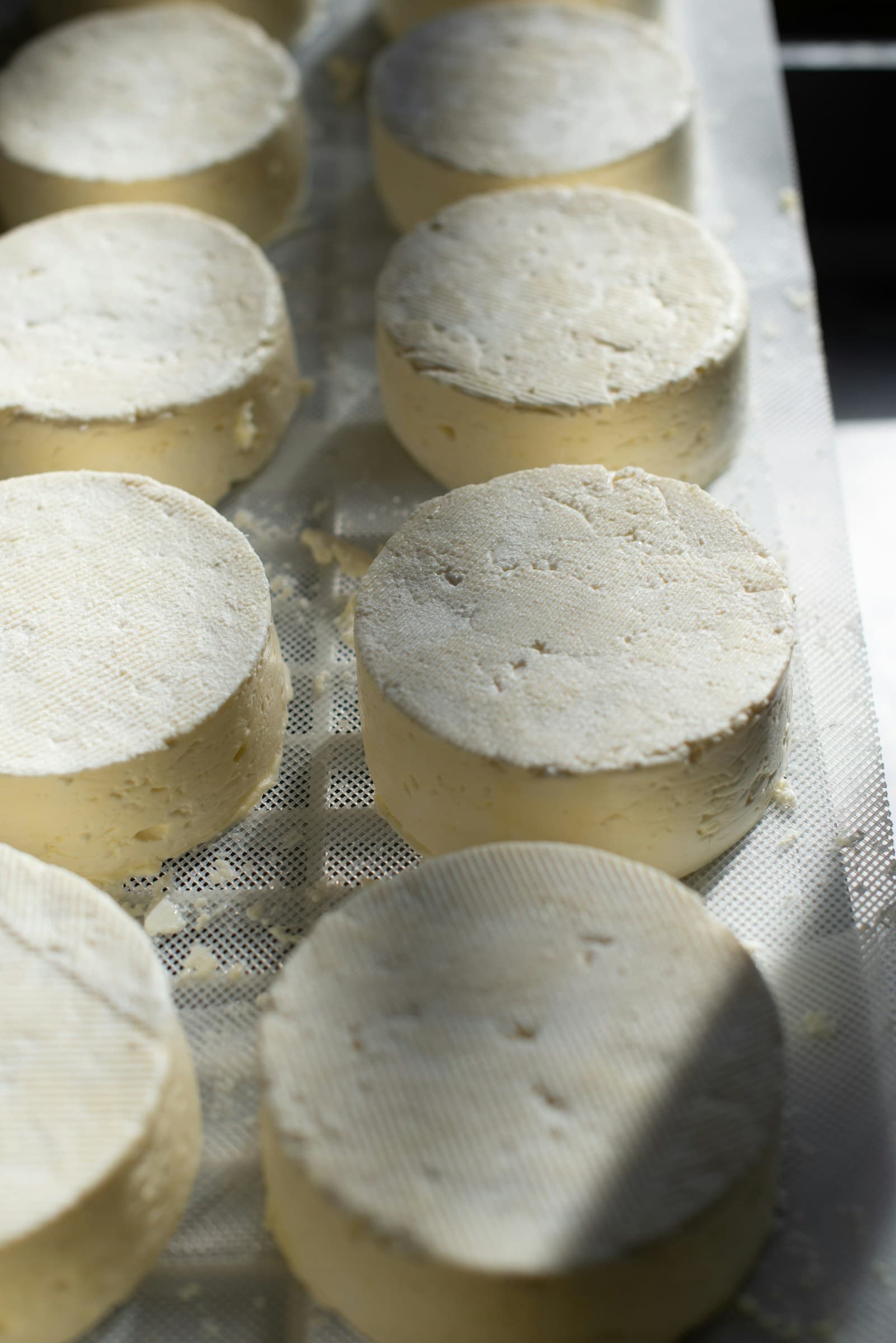
Photo by Zoe Richardson on Unsplash
Nobody signs up on their own
On Orterra a producer joins by invitation: they are brought in by the buying office or by an agent who met them. There is no open sign-up form, and that is not an oversight: whoever sells here was chosen, and whoever chose them has a name.
What we look at before opening a business
- That the business exists and is active, with the company record and the activity code: farming or food processing, not trade.
- That the registered office is where it says it is, and that it is in Italy — see why only Italy.
- The papers needed to produce food: health registration, and depending on the kind of business the notice to the municipality or the SCIA. Declared certifications — organic, PDO, PGI — require the certificate with its expiry date.
We keep the documents encrypted, and every time one of us opens one it is recorded who did and when.
Why nobody can sell more than they have
Every harvest comes in as a lot, with a maximum quantity declared by the producer and tied to the place it comes from: the hectares, the number of trees or hives. From those numbers comes a yield per hectare and per plant, and that yield has to sit inside what a season can give.
If it is above the norm, the case stops and somebody looks at it. It may well be true — an exceptional year, an irrigation system, a variety that yields more — and in that case the lot is approved anyway, but the reason stays written down and public.
The arithmetic is open to anyone: every lot on sale has its page with hectares, plants, declared litres, how much has been sold and how much is left. It cannot be hidden, and it works the same way for every producer.
When the quantity runs out
It really runs out. Availability goes down with every paid order, and when it reaches zero the product cannot be bought until the next harvest. There is no warehouse to fish from, because there is no warehouse.
What we do not write
We do not write that a product is good for you, is healthier or protects from something: on food those sentences are forbidden without a European authorisation, even when written in good faith by whoever made it. We write the facts — the variety, the town, the month of the harvest, the lot, when it was packed — and we leave the judgement to whoever tastes it.
And we do not compare our prices with other sellers’. On every format there is the unit price — per litre, per kilo, per piece — so you can make the comparison yourself, with whoever you like.