
How to store extra virgin olive oil
Light, heat and air: the three enemies, and what to do in the kitchen.
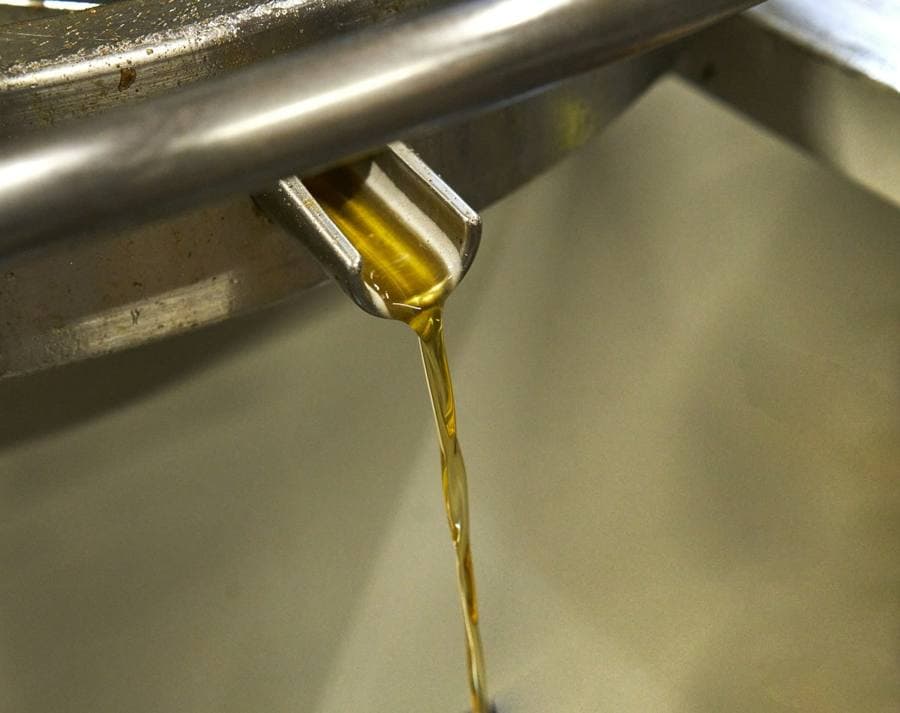
Photo by Xavier von Erlach on Unsplash
Updated on
An extra virgin olive oil does not go off like milk, but it loses aroma and flavour if it is treated badly. There are three enemies: light, heat and air. The law requires the label to say “keep away from light and heat”; here is how to actually do it.
Light
Light, even from the kitchen lamp, ages the oil. Dark bottles help, but they are not enough: the bottle belongs in a closed cupboard or in the pantry, not on the worktop next to the window.
Heat
The right temperature is between 15 and 18 degrees, and above all without swings. The most common wrong place is the most convenient one: next to the hob or above the oven.
Air
Every time you open the bottle, air gets in, and the emptier the bottle, the more air there is inside. So:
- always close the bottle, straight away;
- if you use little oil, small bottles are better, because they are finished sooner;
- if you buy a tin, pour a little oil at a time into a clean and dry dark glass bottle, and keep the tin closed in a cool place;
- do not top up a bottle with new oil on top of the old.
In the fridge?
No. In the cold, oil solidifies and forms white flakes: it is not a defect and does not spoil it; it turns liquid again at room temperature. But the swings between fridge and kitchen do it no good, and there is no need.
How long it lasts
The “best before” date is chosen by whoever bottles the oil, and it is printed on the label. Even more useful is the harvest season: an extra virgin is at its best in the months after the harvest, and once the bottle is open it is worth finishing it within a few weeks.
An old or badly stored oil can be recognised by its smell: rancid, waxy, like stale dried fruit. It will not harm you, but it is no longer a good extra virgin.
New oil
Freshly made oil, between November and January, is often unfiltered: it is cloudy and some sediment settles at the bottom. That is normal. It is also more pungent and bitter, and it mellows over the months. Precisely because of the sediment, unfiltered oil should be used before filtered oil.
On Orterra
On the page of every oil you will find the lot and its vintage, and on the lot’s public page the processing date. When the new oil comes out, the harvest calendar will tell you.
Sources: Commission Delegated Regulation (EU) 2022/2104, Article 7 (storage conditions on the label); Teatro Naturale, “Storing extra virgin olive oil at home”.